The Pool Building Process in Central Florida: What Happens Step by Step
This is a subtitle for your new post
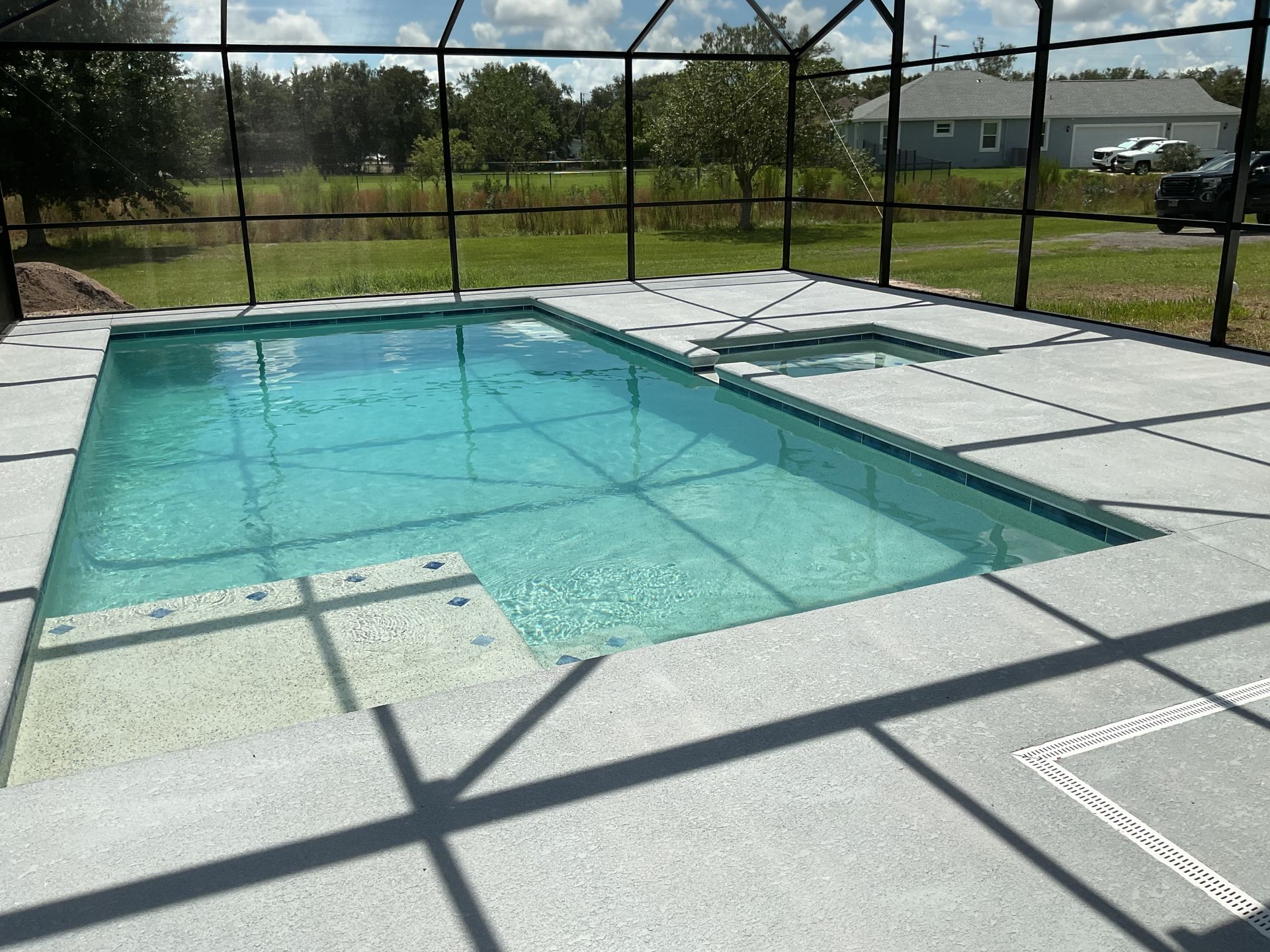
The pool building process in Central Florida moves through a series of carefully coordinated stages, from design and permitting to excavation, construction, finishing, and startup. Each phase builds on the one before it, and inspections, weather, permitting, HOA requirements, and homeowner decisions can all affect how the project progresses.
At Gators Pools & Spas, we have been building custom pools for homeowners throughout St. Cloud, Kissimmee, and Osceola County since 1979. One thing we have learned over those decades is that homeowners enjoy the process much more when they understand what is happening in their backyard and why.
Here is what you can expect when building a custom pool in Central Florida.
What happens during the pool design and contract phase?
The first phase establishes what you are building, where it will sit, what features it will include, and the scope of work required to complete it.
Your pool should be designed around more than what looks good in a rendering. The design needs to account for your property, home, available space, access, drainage, utilities, intended use, and the outdoor living features you want around it.
This is when you will make many of the decisions that shape the rest of the project. Pool size and shape, spa placement, tanning ledges, water features, decking, tile, coping, lighting, and other details should all be considered as part of the overall backyard.
For the homeowner, this is the time to be open about priorities. Think about how you actually plan to use the pool. A family with young children may have very different needs from a couple looking for a quiet backyard retreat or a homeowner who entertains large groups regularly.
Once the design and project scope are finalized, your contract establishes what is included and gives you a clearer picture of the projected construction schedule.
How does pool permitting work in Central Florida?
Pool construction cannot move forward until the required permits and approvals are in place.
Depending on where your property is located, the project may be subject to requirements from Osceola County, Orange County, a municipality, or other local authorities. Your property may also have HOA requirements that are separate from the local permitting process.
Permitting is one of the reasons two similar pool projects can move at different speeds. Review volume, requested revisions, property conditions, HOA approval, and other factors can influence how quickly a project is cleared to begin.
Homeowners can help by providing requested property information promptly and starting any HOA approval process early. Waiting until construction is ready to begin to submit HOA documents can create an avoidable delay.
Permits are not simply paperwork. They establish the requirements that guide construction and the inspections that occur along the way.
What happens when excavation begins?
Excavation is when the pool finally starts taking physical shape in your backyard.
The layout is established according to the approved design, and excavation equipment removes soil to create the pool's basic shape and depth. Access to the backyard matters during this stage because crews and equipment need a safe route to the construction area.
Central Florida soil and groundwater conditions can also influence excavation. Florida's water table varies by property, season, rainfall, and surrounding conditions, so experienced builders need to evaluate what they encounter once the ground is opened.
For homeowners, excavation is often the most dramatic part of the project. Your backyard changes quickly, and the excavated pool can initially look larger or different than it did on the design.
That is normal. There are still several structural and finish layers to come.
How are the steel and plumbing installed in a custom pool?
Steel and plumbing create critical structural and functional systems before the pool shell is completed.
Steel reinforcement is installed throughout the excavated pool to help create the framework for the structure. Plumbing is also routed for circulation, returns, drains, water features, spas, and other systems included in the design.
This stage is a good example of why changing features after construction begins can have a larger effect than changing them during design. Adding or relocating a feature may affect plumbing, steel, electrical work, materials, inspections, and scheduling.
That does not mean changes are always impossible. It means they should be discussed as early as possible so everyone understands how they affect the rest of the project.
Required inspections may also need to occur before work can advance to the next phase.
What happens during the gunite phase?
The gunite phase creates the structural shell that gives a custom concrete pool its permanent shape.
One of the biggest advantages of this construction method is design flexibility. Rather than choosing a pool from a predetermined mold, the pool can be designed around the property and homeowner's vision. Freeform shapes, geometric designs, integrated spas, tanning ledges, benches, and other custom elements can be incorporated into the structure.
After the shell is installed, the pool may look much closer to its final form, but substantial work still remains.
There are also specific procedures that must be followed as the shell cures and the project progresses. Your builder should explain what, if anything, you need to do during this period and what will happen next.
When are pool tile, coping, and decking installed?
Tile, coping, and decking are installed after the structural work reaches the appropriate stage and begin giving the backyard its finished appearance.
These selections make a major visual difference. Tile creates detail at the waterline, coping defines the pool edge, and the deck connects the pool to the rest of the backyard.
This is also where thinking about the entire outdoor space early pays off. Pavers, decking, walkways, screen enclosures, fencing, and entertaining areas should feel connected to the pool rather than like unrelated additions.
Florida conditions matter when selecting outdoor materials. Surfaces around a pool need to make sense for heat, water exposure, maintenance, and regular use.
Homeowners should finalize material selections according to the project's selection schedule so unavailable or late-changing materials do not unnecessarily hold up construction.
When are pool equipment and electrical systems installed?
Pool equipment and electrical components are installed and connected as construction moves toward completion.
Depending on the design, the equipment system may support filtration, circulation, heating, lighting, spas, water features, automation, and other functions.
This is a particularly important stage if you want more control over how your pool operates. Modern equipment can make everyday ownership easier through improved scheduling, efficient operation, and automation options.
Electrical work and equipment installation also involve required safety standards and inspections. Those inspections can gate later stages of the project, which is why a pool cannot simply move from one construction step to the next without the appropriate approvals.
What happens during the interior finish and pool startup?
The interior finish is one of the final major construction stages, followed by filling the pool and beginning the startup process.
The selected interior surface gives the pool much of its finished color and character. Once it is applied, the pool can be filled and the water chemistry, circulation system, and equipment can begin their startup procedures.
Startup is more than turning on the pump and jumping in. New pool finishes require proper water care, and equipment needs to be operating as intended.
This is also when homeowners should learn the basics of their new system. You should understand how to operate equipment, manage normal pool functions, and know who to call when you have questions.
At Gators Pools & Spas, our relationship with homeowners does not end when construction does. We also provide repairs, resurfacing, equipment upgrades, water testing, and ongoing pool support.
Why do inspections affect the pool construction schedule?
Inspections affect the schedule because certain phases must be approved before the next stage of construction can proceed.
A pool is a permanent structure involving excavation, structural components, plumbing, electrical systems, barriers, and other regulated work. Inspections help verify that applicable requirements have been met at important points during construction.
If an inspection has not occurred, a builder may not be able to simply continue to the next phase.
This is one reason pool construction is not best understood as one continuous stretch of activity. There can be periods when work is happening quickly followed by periods when the project is waiting for an inspection, approval, material, or another required step.
What can change the pool building schedule in Central Florida?
Permitting, inspections, weather, HOA approvals, material availability, site conditions, and change orders can all affect a pool construction schedule.
Central Florida's year-round construction climate eliminates one obstacle homeowners in colder parts of the country face: frozen ground. Pool construction can continue during fall and winter, making Q4 a practical time to begin planning and building.
That does not mean Florida weather never affects construction. Heavy rain and severe weather can change site conditions and temporarily interrupt certain phases. Hurricane preparation can also require crews to secure job sites, materials, and equipment when storms threaten the area.
The best approach is to work from a realistic projected schedule rather than assuming every project follows an identical number of days.
Is fall or winter a good time to build a pool in Central Florida?
Yes, fall and winter can be excellent times to build a pool in Central Florida because construction is not limited by frozen ground or a traditional northern pool season.
For some local homeowners, starting in Q4 also means working on the backyard while they are using it less frequently. Seasonal residents may want to coordinate decisions around snowbird season, while year-round residents can use the cooler months to focus on a project they want to enjoy later.
The right starting point ultimately depends on your property, permitting, HOA requirements, design decisions, and personal plans.
If a new pool is part of your plans, starting the conversation earlier gives you more time to make thoughtful decisions instead of rushing through design and material selections.
Frequently Asked Questions
How long does it take to build a pool in Central Florida?
A custom pool moves through design, permitting, excavation, steel and plumbing, gunite, tile and decking, equipment and electrical work, interior finishing, inspections, and startup. The total schedule varies based on permitting, inspections, weather, HOA review, site conditions, material selections, and change orders. Gators Pools & Spas provides a projected schedule based on the specific project at contract signing.
Can pools be built during winter in Central Florida?
Yes. Central Florida does not have the frozen-ground conditions that stop pool excavation and construction in many northern markets. Weather, inspections, permitting, and other project-specific factors can still affect individual construction schedules.
Does my HOA have to approve a new pool?
If your property is governed by an HOA with architectural or construction requirements, you may need HOA approval in addition to local permits. Homeowners should determine their association's requirements early so HOA review does not become an unexpected delay.
Why are there days when nobody is working on my pool?
Some pauses are a normal part of pool construction because one phase may need to cure, pass inspection, receive approval, or wait for another scheduled trade before the next can begin. A construction schedule includes more than the days when crews are physically working in the backyard.
What can I do to keep my pool project moving?
Homeowners can help by making design and material selections on time, submitting HOA documents early, responding quickly when decisions are needed, and avoiding unnecessary late changes. Clear decisions early in the project help reduce disruptions later.
Who builds custom pools in St. Cloud and Osceola County?
Gators Pools & Spas has served St. Cloud, Kissimmee, and communities throughout Osceola County since 1979. Our team designs and builds custom pools as well as pool remodels and complete outdoor living transformations.